
From Sushi to Shellfish Tower: The Best Ways to Enjoy Fresh Seafood
By Sara Badder | May 5, 2026
Seafood is a versatile ingredient that graces tables across the world, whether prepared at home or enjoyed at a high-quality seafood restaurant. From the raw, delicate flavors of sushi to the extravagant presentation of a shellfish tower, there are countless ways to enjoy seafood. This article explores the best methods and preparations to savor the ocean's bounty. Whether you're a seafood aficionado or a curious novice, dive into the depths of deliciousness with these top seafood experiences. Fresh seafood offers an array of textures and flavors, ensuring there's something for everyone—especially when curated by a skilled seafood restaurant.
The Art of Sushi
Sushi, a time-honored tradition in Japanese cuisine, is revered for its meticulous preparation and fresh ingredients, often perfected in a reputable seafood restaurant. Traditionally, sushi involves vinegared rice paired with seafood or vegetables, often accompanied by soy sauce, wasabi, and pickled ginger. Over the years, sushi has transcended geographic boundaries to become a global delicacy. Its appeal lies in its simplicity and the subtle balance of flavors and textures. According to Aquaculture Magazine, sales of sushi increased by 5% in 2024, reflecting strong demand for premium and convenient seafood options frequently found at a seafood restaurant.
Nigiri and sashimi are two popular varieties of sushi that often confound newcomers. Nigiri consists of slices of raw fish placed atop compacted rice balls, while sashimi refers to plain slices of raw seafood, served without rice. Both options offer a unique taste experience, where the freshness of the fish is the star. Nigiri combines the sweetness of seasoned rice with the delicate texture of the fish, while sashimi allows you to savor the pure flavor of raw fish. Choosing between them often depends on one's palate and preference for rice—something a knowledgeable seafood restaurant staff can help guide.
Beyond nigiri and sashimi, sushi rolls (maki) provide a more varied eating experience. Popular rolls, such as the California Roll, Spicy Tuna, and Dragon Roll, often incorporate a mix of fish, vegetables, and rice, wrapped in seaweed. These rolls present a harmonious blend of flavors and textures, appealing to both sushi newbies and gurus. Creative variations have also emerged, such as tempura rolls and using unique ingredients for a twist on tradition. Experimentation with sushi rolls allows chefs—especially those in a modern seafood restaurant—to explore new culinary boundaries while retaining the essence of sushi.
Freshness is paramount when preparing and consuming sushi, as it heavily influences the overall quality and safety of the dish. Sushi chefs carefully select the freshest fish to ensure an exquisite taste and optimal texture. High-quality sushi displays subtle flavors and a clean, oceanic aroma, while inferior, less-fresh versions fall flat. Sushi-grade fish is a term often used to assure customers of its safety for raw consumption. When enjoying sushi at a trusted seafood restaurant, being mindful of its freshness not only enhances the experience but also safeguards your health.
Grilled and Smoky Delights
Grilling seafood is a delightful method that imparts a smoky, caramelized flavor to the fish, a technique often mastered at a seasoned seafood restaurant. Suitable fish for grilling typically possess firm flesh, which holds up well on the grill. Popular choices include salmon, tuna, swordfish, and shrimp, each with its unique taste and texture. While thick fillets are less likely to overcook and dry out, smaller, delicate fish like tilapia require careful attention. Considering the fish's oil content and thickness can assist in achieving that perfectly grilled piece of seafood.
A key to succulent, grilled seafood is applying proper techniques, regardless of the type of your grill. Start with a preheated grill and generously oil the grates to prevent sticking, ensuring an even cooking surface. Controlling heat is crucial; sear the fish over high heat initially to create a crust, then lower the temperature for gentle cooking. Using indirect grilling is suitable for thicker cuts, providing a balanced cook throughout the fish. These are the same methods often used in a professional seafood restaurant kitchen to deliver consistent, flavorful results.
Smoking seafood is an age-old technique that infuses a tantalizing smoky flavor while preserving the fish. The process involves exposing fish to smoke from burning wood chips, like hickory or applewood, which impart distinctive flavors. Cold smoking keeps temperatures low, allowing the fish to acquire a subtle, smoky taste, while hot smoking cooks it, resulting in a tender, flaky texture. Both methods can transform simple fish into an elegant delicacy commonly featured on a seafood restaurant menu. Pairing smoked fish with tangy condiments or fresh herbs can offer a delightful contrast in flavors.
From Fish and Chips to Calamari
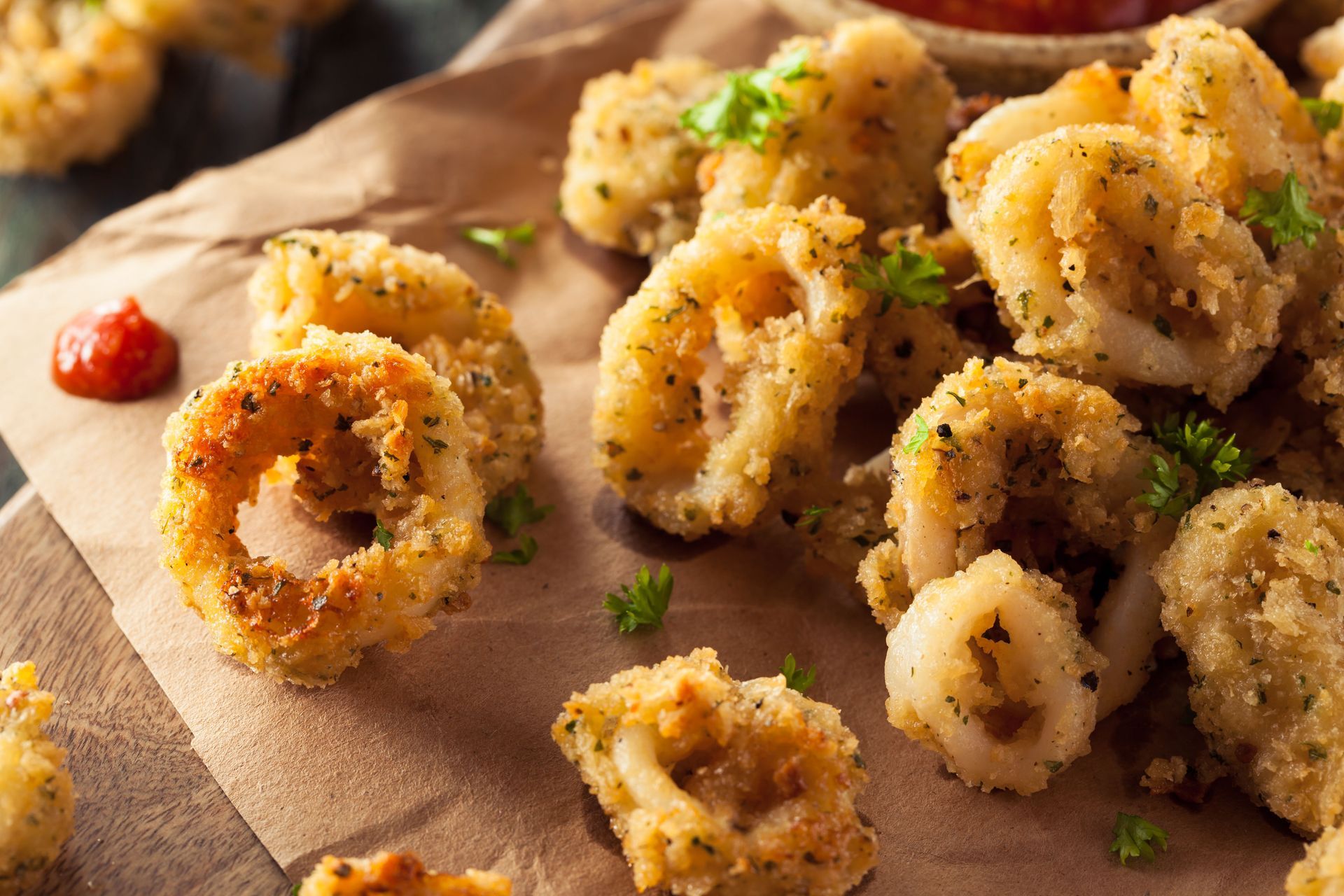
Few can resist the crunchy allure of classic fried seafood dishes like fish and chips or calamari, especially when served fresh at a seafood restaurant. These staples offer a crisp exterior that gives way to a tender and juicy interior, creating a delightful contrast in textures. Other popular fried seafood options include fried shrimp, clam strips, and crab cakes, each bringing its own distinct flavor. The success of fried seafood lies in the quality of the batter and the freshness of the ingredients—two elements any great seafood restaurant prioritizes. Serving these dishes with a side of tartar sauce or aioli is a guaranteed crowd-pleaser.
A perfect fry relies heavily on selecting the right oil and batter to achieve the ideal crispy texture. Oils with high smoke points, like canola or peanut oil, are best suited for frying seafood, ensuring that it cooks evenly without burning. The batter itself can range from a simple flour and water mix to more sophisticated tempura or beer batters, offering variations in flavor and crunch. A key to a light, crispy batter often involves keeping it cold and not over-mixing—techniques commonly used in a busy seafood restaurant kitchen. Different batters bring unique flavors and enhance the dining experience.
Achieving a perfectly fried seafood dish requires careful attention to detail, from batter consistency to fry temperature. Preheat the oil to the correct temperature—usually around 350°F (175°C)—to ensure that the seafood cooks completely and evenly. Maintaining this temperature throughout frying is crucial to avoid greasy, undercooked fish. The seafood pieces need to be as uniform in size as possible to ensure even cooking. Draining excess oil and serving the fried seafood immediately, as done in a seafood restaurant, provides the best texture and taste experience.
Steamed Seafood Wonders
Steaming seafood is an excellent method for preserving its inherent flavors and nutritional value, often showcased in lighter dishes at a seafood restaurant. Unlike frying or grilling, steaming uses gentle heat and moisture to cook the seafood evenly while retaining its natural juices. This method requires minimal added fat or oils, resulting in a lower-calorie, heart-healthy dish. Steaming universally accommodates various seafood options, from clams and mussels to delicate fillets of fish. A steaming basket or setup can enhance seafood’s natural flavor, providing a tender and flaky result similar to what you’d expect at a quality seafood restaurant.
Globally, steamed seafood dishes boast a range of regional influences and unique preparations. In Asia, Dim Sum plates often feature expertly steamed shrimp dumplings or scallops marinated in soy and ginger. European cuisines like French and Italian highlight steamed seafood dishes using aromatic herbs and white wine. Traditional Senegalese yassa poisson features marinated fish, perfectly steamed and accompanied by tangy onion-lemongrass sauce. These globally inspired dishes are often reimagined on the menu of a modern seafood restaurant, bringing international flavors to local diners.
Steaming seafood successfully requires the right equipment and understanding of basic techniques. Bamboo steamers, stockpots with steaming racks, or even electric steamers can all achieve flavorful results. The process demands boiling water below the seafood, creating an even, moist cooking environment at a low temperature. Covering the steamer retains heat and moisture, enabling consistent results, while ensuring the seafood remains separate from boiling water for optimal tenderness. These fundamentals are key in both home kitchens and professional seafood restaurant settings.
From the precision of sushi to the bold flavors of grilled, fried, and steamed dishes, seafood offers endless possibilities for every palate. By understanding the techniques behind each preparation method and prioritizing freshness, anyone can elevate their seafood experience. These diverse approaches highlight the true versatility and richness of the ocean’s bounty. Stop by your favorite
seafood restaurant, Riverwalk at Tin City®, today and experience the joy of fresh seafood.